Difficult access Harrow flats cleaning narrow stairs: a practical guide for awkward buildings
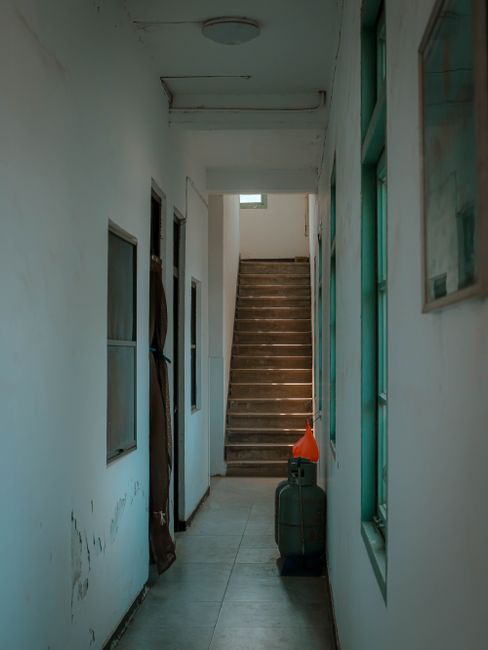
If you live in a Harrow flat with tight landings, steep steps, awkward bends, or a front door that seems designed for a much smaller person, you already know the problem. Difficult access Harrow flats cleaning narrow stairs is not just a nuisance; it changes how a cleaning job is planned, carried out, and completed safely. The right approach protects your home, the cleaner, and the finish you are paying for. In this guide, we'll walk through what makes access tricky, how professional cleaners work around it, and what you can do to make the whole process smoother. A lot smoother, actually.
Why Difficult access Harrow flats cleaning narrow stairs Matters
Flats with narrow stairs create a very specific kind of cleaning challenge. It is not simply about getting equipment from A to B. It's about whether a machine can be carried without scraping painted walls, whether hoses can turn the corner without a tug, and whether water or cleaning solution can be managed without leaving a mess on the stair carpet. On older Harrow properties, especially those with compact entrances or split-level layouts, access can be the difference between a quick, tidy clean and a frustrating, risky job.
Why does this matter so much? Because most cleaning tasks in flats involve some combination of bulky equipment, trays, buckets, vacuums, extension leads, or protective gear. If the staircase is tight, the job can become slower and more delicate. That affects pricing, setup time, and the final result. It also affects safety. One awkward turn with a heavy machine can lead to damaged bannisters, scuffed corners, or strained backs. Nobody needs that on a Tuesday morning.
For residents, the issue often shows up when booking carpet cleaning in Harrow, upholstery cleaning, or even routine domestic cleaning. The cleaner needs to know the access conditions in advance so they can plan enough time, bring the right kit, and avoid surprises once they arrive.
Expert summary: awkward access doesn't automatically mean a bad clean. It usually means the clean has to be planned more carefully, with lighter equipment handling, better preparation, and more attention to protection and timing.
How Difficult access Harrow flats cleaning narrow stairs Works
The process is usually straightforward once the access challenge is understood. A professional cleaner will first ask questions about the building: Is there a lift? How many flights of stairs are there? Are the stairs straight, bent, or narrow enough that a machine must be carried on its side? Is parking close enough for unloading? These are not nosy questions. They are the difference between a smooth visit and a stressful one.
From there, the cleaner may adjust the method in a few ways:
- Smaller or more portable equipment: compact machines and lighter tools are easier to carry and safer on tight stairs.
- Split-load carrying: equipment may be broken down into manageable parts before moving upstairs.
- Protective measures: stair runners, corner guards, and careful lift-and-carry techniques help reduce scuffs.
- More detailed pre-checks: access photos or measurements may be requested before the appointment.
- Alternative workflow: some items are cleaned near the entrance first, then moved room by room to reduce repeated trips.
In practice, the cleaner often spends more time preparing than someone might expect. That preparation is what keeps the actual cleaning efficient. If you have ever watched a sofa being manoeuvred around a narrow landing, you will know the feeling: half engineering, half patience. Truth be told, it can be oddly impressive.
For end-of-tenancy jobs, access planning matters even more. Landlords and letting agents usually care about the final condition of floors, stair edges, and common areas, not the story of why the machine nearly caught on the banister. If you are dealing with a move-out clean, it may help to read the site's guide to end of tenancy cleaning and the related article on Harrow town centre flats for a better sense of what a full tenancy clean usually involves.
Key Benefits and Practical Advantages
When access is handled properly, the benefits are bigger than most people expect. The biggest one is simple: fewer mistakes. Narrow stairs and awkward hallways leave less room for rushing, so a well-planned job often ends up more controlled and more thorough.
- Better protection for your property: careful handling reduces the risk of chips, marks, and dents.
- Cleaner results: when equipment is chosen for the space, the actual cleaning tends to be more consistent.
- Less disruption: good planning means less back-and-forth, fewer delays, and less mess in shared areas.
- Safer working conditions: narrow stairs can be hazardous if a cleaner is carrying heavy gear without enough room.
- More accurate quotes: when access is explained early, there is less chance of misunderstandings about time and effort.
Another advantage is peace of mind. Flats with difficult access can make residents worry that the job will be awkward or incomplete. But a cleaner who understands tight access knows how to pace the visit properly. That matters for people juggling work calls, school runs, or moving-day stress. You want a team that looks at the staircase once and says, calmly, "Right, we'll manage this."
There is also a practical cost benefit. Not every awkward flat needs a premium-level solution, but it does need the correct one. If the cleaner brings the wrong machine, the job can take longer. If they bring the right one, the whole visit often becomes more efficient. That is especially useful when comparing services through pricing and quotes.
Who This Is For and When It Makes Sense
This topic matters to more people than you might think. It is not just for residents of top-floor Victorian conversions with staircases that seem to turn for sport. It also applies to modern blocks, maisonettes, older terraces split into flats, and converted houses where the entrance route is tight.
You may need this kind of cleaning if you are:
- living in a flat with steep internal stairs or a narrow communal stairwell
- booking carpet or upholstery cleaning for a property with limited access
- preparing for an end-of-tenancy inspection
- managing a rental property where access details must be explained to a cleaner or tenant
- arranging a same-day or urgent clean and want to avoid delays
It also makes sense if your flat has good rooms but poor access. That combination is common in London. A place can be perfectly liveable and still awkward for service providers. The best cleaners understand that and adjust without fuss.
If you are new to the area, the broader local context may help too. Harrow includes a mix of flats, converted homes, and busier residential streets, and the building styles can vary a lot from one road to the next. Articles like the pros and cons of living in Harrow and exploring Harrow as a traditional London borough are useful background reading if you are trying to understand why access conditions are so varied here.
Step-by-Step Guidance
If you want the clean to go well, the key is preparation. Here is a practical step-by-step approach that works for most difficult-access flats.
- Map the route: check the entrance, stair width, landings, and any tight corners. If you cannot carry a vacuum around a bend without a small pivot, mention that.
- Share photos or measurements: a few quick images of the stairs, hallway, and front door can save a lot of guessing later.
- Clear the access path: move shoes, prams, shopping trolleys, bins, and loose items out of the way.
- Protect delicate surfaces: if you have freshly painted walls, glass panels, or soft stair edges, let the cleaner know before they start.
- Confirm parking and unloading: even a great cleaner can lose time if they have to park far away and carry equipment through several corridors.
- Set realistic timing: difficult access usually means a bit more setup time. Build that in.
- Check the cleaning method: some jobs suit compact machinery better than large, hose-heavy systems.
- Review the final walk-through: once the clean is done, look at the stairs, corners, and edges as well as the room itself.
If the job is urgent, you may want to compare the access situation against the service's availability. A useful local reference is same-day carpet cleaning availability in Harrow, because urgent bookings tend to expose access issues very quickly. The cleaner has less room for error, and so do you.
Expert Tips for Better Results
Here's where small details make a big difference. In our experience, difficult access jobs go best when the client and cleaner are candid early. No one benefits from pretending the stairs are "a little narrow" when they are actually the width of a thoughtful shrug.
1. Describe the worst part, not just the general layout
If the tricky bit is the final 90-degree turn on the landing, say so. If the front step is steep, say that. The exact obstacle matters more than a vague description of the building.
2. Use photos with context
A photo of the stairs without a sense of scale is less useful than one showing the full route, the landing, and the front door. A cleaner can often spot a problem immediately from a good image.
3. Book with a realistic time window
Rushing through a difficult staircase is a bad idea. A slightly longer appointment is usually better than a squeezed one.
4. Keep shared spaces tidy
In communal blocks, a quick tidy-up of the landing or stairwell helps everyone. It also reduces the chance of snagging equipment on rubbish bags, laundry, or door mats.
5. Ask about equipment choice
Not every machine is a good fit for every flat. Smaller extraction equipment, portable vacuums, or lighter tools can be more practical in awkward buildings.
One more thing: if your stairs are old, worn, or slightly uneven, say so. That is not being fussy. It is being helpful. Small differences in step height or tread depth can change how heavy equipment is carried, and a sensible cleaner will want to know.
Common Mistakes to Avoid
A lot of access problems are avoidable. Not all of them, of course. Sometimes a staircase is just a staircase and it is deeply uncooperative. But many issues come down to planning.
- Understating the difficulty: "It's only a few stairs" can be misleading if the stairs are narrow and twisty.
- Ignoring communal access rules: some blocks have specific entry times, loading restrictions, or shared-space expectations.
- Not checking for parking: long carries eat time and energy.
- Leaving the path cluttered: even a small obstacle can slow the job and increase risk.
- Booking the wrong service type: a general clean is not the same as specialist carpet or upholstery work.
- Forgetting to mention fragile surfaces: polished banisters, soft paint, and glass inserts need care.
Another mistake is assuming all cleaners handle difficult access in the same way. They do not. Some are well set up for compact London flats. Others may prefer easier access jobs. That is not a criticism; it is just practical. The better match is the one that knows what it is walking into.
Tools, Resources and Recommendations
For a flat with narrow stairs, the most useful tools are often the simplest ones. Compact gear, protective pads, and clear communication can do more than fancy kit with too many moving parts.
| Tool or approach | Why it helps | Best use case |
|---|---|---|
| Portable vacuum or extractor | Easier to carry upstairs and turn on small landings | Flats with tight stairwells |
| Corner protection pads | Reduces scuffing on walls and banisters | Old properties with painted edges |
| Microfibre cloths and compact kits | Less bulky, faster to move around | Quick domestic cleans |
| Clear site photos | Helps plan equipment and route | Any awkward-access booking |
| Pre-clean checklist | Keeps everyone on the same page | End-of-tenancy and deep cleans |
For related service planning, the site's services overview is a sensible starting point, especially if you are trying to decide whether you need carpet, upholstery, house, or office support. If your flat access is difficult but your belongings still need attention, the upholstery cleaning service may be useful alongside the flooring work.
It also helps to be honest about what the cleaner can and cannot control. They can bring lighter equipment. They cannot widen a staircase. They can protect corners. They cannot magic away a sharp landing turn. To be fair, none of us can.
Law, Compliance, Standards, or Best Practice
This topic touches safety and property care, so best practice matters even when no special regulation is being discussed by name. In the UK, cleaners working in residential buildings are generally expected to act safely, avoid causing damage, and follow sensible manual-handling practice. For shared flats, common areas should be treated with care and respect. That sounds obvious, but on a tight staircase, obvious things need saying.
Professional cleaners should normally consider:
- Manual handling: lifting, carrying, and turning heavy equipment should be done in a way that reduces strain and injury risk.
- Property protection: banisters, walls, carpets, and doors should be protected where practical.
- Communication: access limits, parking constraints, and fragile areas should be confirmed before arrival.
- Insurance and safety: a reputable provider should be able to explain how they approach safety and responsibility.
If you are comparing providers, it is fair to ask how they handle risk and what they do if access is more difficult than expected. A trustworthy company will not become defensive about that. It should be routine. You can also review details in the site's insurance and safety information and health and safety policy before you book.
One small but important point: if your flat is in a leasehold block, there may be building-specific rules about access, lift use, or rubbish disposal. Those are not universal, so it is best to check your building paperwork or ask the managing agent. Keep it simple. Keep it clear.
Options, Methods, or Comparison Table
Not every difficult-access flat needs the same method. The right choice depends on the staircase, the type of cleaning, and how much equipment is needed. Here is a simple comparison to help you think it through.
| Method | Pros | Trade-offs | Best for |
|---|---|---|---|
| Full-size equipment | Strong cleaning power, efficient for larger jobs | Harder to move, less suitable for tight stairs | Flats with decent access |
| Portable equipment | Much easier to carry and manoeuvre | May take longer for larger areas | Narrow stairs and compact homes |
| Room-by-room approach | Controlled, tidy, less disruption | Can be slower overall | Occupied flats and shared access buildings |
| Pre-arranged photos and measurements | Reduces surprises and improves planning | Needs a bit of client effort | Any awkward access booking |
If you are trying to balance convenience and quality, a portable setup is often the sensible middle ground. It may not look dramatic, but it usually gets the job done with fewer headaches. For some households, that is the whole point.
Case Study or Real-World Example
Picture a two-bedroom flat in a converted house off a busy Harrow street. The entrance is fine, but the internal staircase turns sharply halfway up, and the landing is just wide enough for one person to stand there without leaning. The resident needs carpet cleaning before moving out.
At first glance, the job seems straightforward. But once the cleaner sees the staircase, the plan changes. The machine is carried in smaller sections. The stair edges are checked before moving anything upstairs. A quick photo walk-through confirms where the hoses can sit without blocking the hallway. The cleaner also asks the tenant to move shoes, a drying rack, and a stack of boxes from the landing. Nothing dramatic. Just sensible.
The result? The carpet is cleaned properly, the stair paint stays intact, and the appointment finishes without any awkward delay. That is what good access planning looks like. The resident does not remember the logistics. They remember that it all worked. And honestly, that is usually the best outcome.
If your own flat feels similar, especially in a move-out scenario, the guide to hidden charges in Harrow carpet cleaning is worth a look, because access issues sometimes trigger extra cost conversations. Better to discuss them early and calmly than at the door.
Practical Checklist
Use this simple checklist before the cleaner arrives.
- Confirm the number of stairs and any awkward turns
- Share photos of the entrance, landing, and stairwell
- Tell the cleaner about parking, permits, or loading limits
- Move shoes, bags, boxes, and loose items out of the access route
- Protect fragile corners, banisters, or freshly painted walls if needed
- Check whether your building has shared access rules
- Ask what type of equipment will be used
- Allow a little extra time for setup and carrying
- Keep pets and children away from the access path during the visit
- Do a quick final check of stairs, corners, and landings after the clean
Quick takeaway: the cleaner can handle the job much more easily if the path is clear and the access is described honestly. That simple step prevents a surprising amount of hassle.
Conclusion
Difficult access in Harrow flats is common, and narrow stairs do not need to be a deal-breaker. They just need respect, planning, and the right equipment. When the access route is explained properly, a cleaner can work more efficiently, protect your home better, and deliver a result that feels worth the booking.
If you are weighing up your next step, think less about whether the stairs are awkward and more about how well the job can be planned around them. That is the real difference. A careful clean in a tight flat often turns out better than a rushed one in an easy building. Strange, but true.
For a broader look at the company and the way it works, you can also explore the about us page and the site's blog for more local cleaning advice. If your flat is tricky, that does not make it impossible. It just means the job deserves a little more thought, and that's perfectly fine.
Get a free quote today and see how much you can save.
Frequently Asked Questions
Can cleaners work in flats with very narrow stairs?
Yes, usually they can. The key is to explain the stairs clearly before the appointment so the cleaner can decide whether compact equipment or a different method is needed.
Do narrow stairs increase the cost of cleaning?
They sometimes can, because difficult access may add setup time or require more careful handling. That said, it depends on the job, the equipment, and how far the cleaner has to carry everything.
Should I send photos of my stairwell before booking?
Yes, that is often one of the most helpful things you can do. A few clear photos can prevent confusion and help the cleaner plan the visit properly.
What if there is no lift in my Harrow flat?
No lift is not a problem on its own. Many flats are cleaned without lift access every day. The real issue is whether the stairs are narrow, steep, or awkward enough to affect equipment handling.
Can carpet cleaning be done on upper floors?
Yes. Upper-floor carpet cleaning is common, but the cleaner may choose lighter or more portable equipment if the stairs are tight or difficult to navigate.
How do I prepare a flat with difficult access for cleaning?
Clear the stair route, remove clutter from landings, mention parking or entry issues, and let the cleaner know about fragile areas. A bit of prep makes a big difference.
Is same-day cleaning possible for hard-to-access flats?
Sometimes yes, but availability depends on the cleaner's schedule and whether they can assess the access quickly. Urgent bookings are easier when you can share photos right away.
What should I tell the cleaner about my stairs?
Tell them how many flights there are, whether the stairs are straight or turn sharply, if the landing is very small, and whether there are shared hallways or entry restrictions.
Will cleaners damage my walls or banisters?
A careful cleaner should take steps to avoid damage, but very tight access always needs extra care. That is why experience and communication matter so much.
Do I need to mention access issues for upholstery cleaning too?
Yes, especially if furniture has to be carried up or down a narrow stairwell. Access affects sofas, chairs, mattresses, and similar items just as much as floor cleaning.
What is the best way to avoid hidden charges?
Be upfront about the access conditions from the start. Hidden charges are more likely when a cleaner arrives and discovers unexpected obstacles that were never mentioned.
Are difficult-access flats common in Harrow?
Quite common, yes. Harrow has a mix of converted properties, maisonettes, and compact flats, so narrow stairs and tight landings are part of everyday local life.