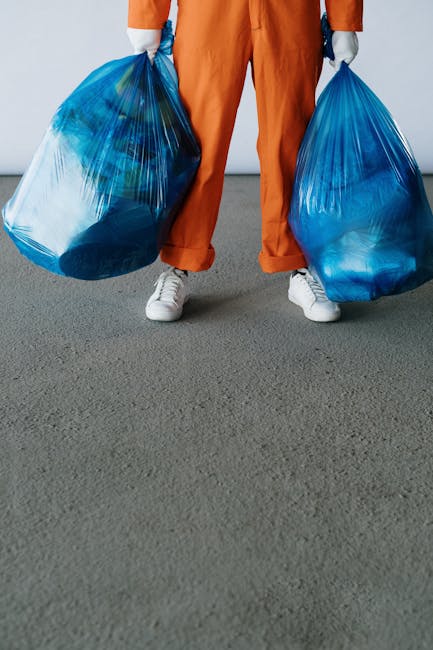
Harrow Council rules for waste disposal after deep cleaning: what to do with dirty water, waste, and bulky leftovers
Deep cleaning leaves a home looking fresh, but it also creates a surprising amount of waste. Dirty mop water, used cloths, vacuum dust, packaging, old scouring pads, removed limescale, and sometimes bulky items all need to be dealt with properly. If you are trying to follow Harrow Council rules for waste disposal after deep cleaning, the main thing to understand is simple: not everything can go straight down the drain or into the nearest bin.
That matters for hygiene, drainage, neighbours, and compliance. It also matters if you are a tenant, landlord, homeowner, or business owner trying to keep the place tidy without creating a mess elsewhere. To be fair, most people only think about the cleaning itself. The disposal bit gets left until the end, when the sink is full, the bin is overflowing, and no one is quite sure what Harrow expects. This guide brings it back into focus.
You will find a practical explanation of what usually counts as cleaning waste, how to separate it, what to avoid putting into drains, how to handle leftovers after a deep clean, and when a specialist service such as deep cleaning or house clearance can make the whole process easier. There is also a checklist, a comparison table, and a realistic example from a typical London household. No fluff. Just the bits that help.
Why Harrow Council rules for waste disposal after deep cleaning matters
After a deep clean, the waste stream is often mixed. You may have water contaminated with dirt and detergent, used paper towels, wiped grease, vacuum debris, pet hair, broken packaging, old brushes, and maybe even damaged household items you uncovered while cleaning. If those materials are disposed of carelessly, the impact can be bigger than most people expect.
First, there is the obvious hygiene issue. Dirty water and soiled materials can smell, spread bacteria, or attract pests if they sit around too long. Then there is plumbing. A sink may swallow a little grey water, but thick debris, grease, lint, sand, plaster dust, or wipes can create blockages. Once that happens, what seemed like a quick tidy-up turns into a drain problem, and nobody wants that on a Friday evening.
There is also the local responsibility angle. Harrow Council, like other London boroughs, expects residents and businesses to follow sensible waste segregation and disposal practices. Even where council guidance is broad rather than ultra-specific, the principle is consistent: separate your waste properly, do not contaminate recycling, and do not use drains, gullies, pavements, or communal bins in ways that create pollution or nuisance.
If you are managing a property, this is more than housekeeping. It affects tenant handovers, landlord standards, office cleanliness, and the overall impression of the space. A spotless room with a blocked sink and a bin bag leaking mop water is not really a win. Clean should mean clean, all the way through.
Expert summary: After deep cleaning, the safest approach is to sort waste by type, keep liquids out of ordinary waste wherever possible, avoid overloading drains, and treat anything hazardous or bulky separately. If you are unsure, pause and check before disposing.
How Harrow Council rules for waste disposal after deep cleaning works
The practical rule is straightforward: identify the type of waste first, then choose the right disposal route. That sounds obvious, but in real life it is where most mistakes happen. A bucket of dirty water is not the same as a bag of cloths, and neither is the same as a broken chair found during a spring clean.
Here is how it usually breaks down after a deep clean:
- Liquid waste: dirty mop water, diluted cleaning solution, rinse water, and spill residue.
- General waste: used disposable cloths, wipes that are not recyclable, dust bags, vacuum contents, gloves, and heavily soiled paper.
- Recyclable waste: clean cardboard, some plastic packaging, and certain containers if they are empty and uncontaminated.
- Bulky waste: damaged furniture, broken household items, old mattresses, and clearance items uncovered during cleaning.
- Special care waste: anything that may be hazardous, contaminated, sharp, or unsuitable for ordinary domestic bins.
For everyday domestic cleaning, small amounts of dirty water are often tipped carefully down a foul-water drain, such as a sink or toilet, with plenty of water afterwards to flush the system. But that does not mean all liquids are fair game. Oily residue, plaster-heavy dust, bleach-heavy mixtures, and thick sludge should be handled with more caution. If you are cleaning after builders, that caution becomes even more important, which is one reason people often pair a heavy clean with after builders cleaning.
For larger waste volumes, the council approach generally expects you to use your household bins appropriately, arrange a bulky waste collection where available, or take suitable items to an approved disposal point if that is the route available to you. Business premises may have different arrangements, especially for commercial cleaning waste, and should not assume domestic bin rules automatically apply. A tidy office after office cleaning still needs the rubbish handled in a compliant way.
One small but important point: never mix clean recyclables with dirty cleaning waste if you can avoid it. A cardboard box that has been soaked with mop water is no longer a clean recycling item. It is contamination, plain and simple.
Key benefits and practical advantages
Getting disposal right after a deep clean is not just about avoiding trouble. It makes the whole job smoother, safer, and usually cheaper in the long run.
- Less mess in the property: waste is removed in an orderly way instead of being left in corners, sinks, or hallways.
- Lower risk of drain blockages: careful liquid disposal reduces the chance of clogs and smells.
- Better recycling outcomes: separating uncontaminated materials keeps recyclable waste clean enough to be accepted.
- Fewer complaints: neighbours, tenants, and building managers are less likely to object to overflowing rubbish or bad odours.
- Safer working environment: staff or family members are less likely to slip on spillages or handle sharp items carelessly.
- More professional finish: this matters a lot for landlords, letting agents, holiday lets, and businesses.
There is another advantage people miss: time. If you plan disposal properly before you start scrubbing, you avoid a second round of sorting later. That second round always takes longer than expected. Always.
For properties with textiles, carpets, or upholstery in need of more than surface cleaning, disposal planning also helps you decide whether the item should be cleaned, treated, or replaced. In some cases, a good carpet cleaning, upholstery cleaning, or sofa cleaning service can save an item that would otherwise end up as bulky waste.
Who this is for and when it makes sense
This topic matters to a wider group than you might think. If you live in Harrow, manage property there, or clean properties for clients, the disposal side becomes part of the service quality. It is not a side note.
You will benefit from understanding these rules if you are:
- a homeowner doing a spring clean or post-renovation tidy-up;
- a tenant leaving a property in good order;
- a landlord checking that the place is ready for the next occupier;
- a letting agent arranging a handover between residents;
- a facilities manager responsible for shared or commercial space;
- a cleaning contractor working after deep cleans, end-of-tenancy jobs, or one-off clearances.
It is especially useful after bigger jobs: end of tenancy cleaning, move out cleaning, move in cleaning, one-off cleaning, and domestic cleaning where hidden mess tends to show itself once surfaces are properly cleaned.
Commercial premises have their own wrinkles too. A kitchen in a small office, for example, may produce wet waste, food residue, and cleaning chemicals all at once. That is where a decent commercial cleaning plan and proper waste segregation go hand in hand.
Truth be told, if you are unsure what counts as general waste versus something that needs special handling, it usually means you should slow down and sort the load before disposal. Better a five-minute pause than a problem with bins, drains, or complaints later on.
Step-by-step guidance
Here is a practical way to handle waste after deep cleaning without overcomplicating things.
- Clear the area first. Gather all waste into one place so you can see what you are dealing with. Do not scatter it between rooms.
- Separate the waste into categories. Put liquids, general waste, recycling, bulky items, and anything questionable into different piles or containers.
- Check what is contaminated. If paper, cardboard, or packaging has cleaning fluid, grease, or dirty water on it, assume it is no longer recyclable unless you are sure otherwise.
- Deal with liquid waste carefully. Small amounts of dirty water can usually be poured slowly into an appropriate drain, then flushed with clean water. Never force solids down with it.
- Bag the general waste securely. Use strong bin liners and avoid overfilling. Heavy wet cloths can split weak bags, and then you are back to square one.
- Set aside bulky or awkward items. If cleaning has revealed damaged furniture, old appliances, or large discarded pieces, do not leave them in a corridor or on the pavement.
- Use the correct bin or collection route. Follow your household or business waste arrangement, and if necessary arrange a separate collection for large items.
- Clean the disposal tools too. Buckets, mops, cloth baskets, and gloves should be washed or sanitised after use so they do not spread grime back into the property.
- Final check. Walk through the property with a simple question in mind: would this still look acceptable if a neighbour, landlord, or manager saw it now?
A tiny but useful habit: keep a spare bag for surprise waste. During a deep clean, you almost always find something unexpected - a broken coat hanger behind a radiator, an old food container in the back of a cupboard, that sort of thing.
Expert tips for better results
Small changes can make disposal much easier. The best cleaners do not just clean harder; they plan the clear-out better.
- Use two waste stations. One for dry general waste, one for wet waste. It stops everything turning into one soggy mess.
- Keep a lined bucket for cloths. Used cloths are easy to forget, and they can drip everywhere on the way out.
- Pre-sort before you start wiping. If you know a room has a lot of packaging or clutter, remove that first so it does not become dirty waste by accident.
- Do not overuse chemical products. More chemical does not equal cleaner. It often just creates more residue to dispose of.
- Label anything unusual. If a bag contains sharp fragments, broken glass, or soiled materials, make that obvious.
- Allow time for drying. Wet waste smells faster than people expect, especially in warm rooms or sealed hallways.
- Coordinate with other services. If you are also booking mattress cleaning, rug cleaning, or pet stain odour removal, think ahead about what will be saved and what will be discarded.
One more thing. If the smell in a room changes from "cleaning product" to "stale bin bag" halfway through the job, stop and sort the waste. That smell is usually trying to tell you something.
Common mistakes to avoid
This is where people get caught out. None of these errors are dramatic on their own, but they stack up fast.
- Pouring everything down the sink: this is the classic mistake. Grease, dust, lint, and sludge can block pipes.
- Mixing recyclables with contaminated waste: one wet item can spoil an entire load.
- Leaving bags open in hallways: odours spread and pests may appear.
- Overfilling bin bags: weak seams split, especially with wet cloths or heavy debris.
- Ignoring bulky waste: a sofa, mattress, or broken chair should not just sit by the bin.
- Using the wrong container for chemicals: do not repurpose food tubs or drink bottles for leftover cleaning products.
- Forgetting shared spaces: in flats or managed buildings, waste left in communal areas can cause complaints very quickly.
If you are cleaning a rented property, these mistakes can matter at checkout stage. A clean carpet is nice, but so is a hallway without abandoned rubbish sacks. In practice, both count.
Tools, resources and recommendations
You do not need a van full of gear to dispose of cleaning waste properly, but a few simple tools help enormously.
- Heavy-duty bin liners: useful for damp cloths, dust, and heavier general waste.
- Separate tubs or boxes: ideal for sorting recyclable packaging from contaminated waste.
- Rubber gloves: particularly useful when handling wet rubbish or anything sharp.
- Bucket with a pour lip: makes liquid disposal safer and less messy.
- Dustpan and brush or handheld vacuum: useful for dry debris before it gets damp.
- Microfibre cloths: reusable, easier to wash, and often reduce disposable waste.
For larger or more complex jobs, it can help to choose a cleaning company that thinks beyond the surface shine. Services like recycling and sustainability show that waste handling is part of the bigger picture, not an afterthought. That is a good sign.
If you are comparing service options, also look at pricing and quotes so you can understand what is included. A cheaper clean is not always cheaper if the waste handling is poor and you end up paying again for disposal or repairs. Ask the practical questions early. Saves hassle.
For teams working in offices or shared spaces, internal rules and housekeeping procedures should sit alongside health and safety policy expectations and good everyday habits. Waste management is part of that culture.
Law, compliance, standards, or best practice
Without pretending to be a legal guide, there are a few sensible principles to keep in mind in the UK context. Waste should be stored, sorted, and disposed of in a way that avoids pollution, nuisance, and drainage problems. Households and businesses also have different obligations, so do not assume domestic disposal habits are enough for a commercial setting.
For residential cleaning waste, the safest approach is to use household bins correctly, keep recycling clean, and take bulky items through the right collection route. For businesses, especially those generating regular or larger volumes of waste, you need to think more carefully about duty of care, storage, collection frequency, and whether specialist disposal is needed.
Some practical best-practice standards are worth following even when the rules are not spelled out in detail:
- Keep liquids out of ordinary waste where possible.
- Do not contaminate recycling with cleaning residue.
- Store waste securely until collection.
- Keep sharps, broken glass, and chemicals separate if relevant.
- Use licensed or approved routes for large or unusual waste streams.
In shared buildings, communal rules may also apply. A property manager may care less about whether your mop water was "technically fine" and more about whether the hallway now smells of bleach and old bin bags. Fair enough, really.
Options, methods, or comparison table
If you are deciding how to handle waste after a deep clean, these are the main options most people use. The best one depends on the size of the job and the type of waste involved.
| Method | Best for | Pros | Watch out for |
|---|---|---|---|
| Household bin disposal | Small amounts of dry general waste | Simple, quick, familiar | Not suitable for bulky items or liquids |
| Careful sink or toilet disposal of small liquid waste | Limited dirty water | Practical for minor cleaning jobs | Never use for sludge, grease, or solids |
| Recycling separation | Clean packaging and uncontaminated materials | Supports sustainability and reduces waste | Contamination can make items unrecyclable |
| Bulky waste collection | Furniture, mattresses, large discarded items | Removes awkward items properly | May need booking and preparation |
| Specialist clearance or cleaning support | Large properties, post-build, or heavy waste loads | Saves time and reduces errors | Needs planning and may cost more upfront |
In practice, many properties use a combination. A small flat after a regular cleaning session may only need household bin disposal. A bigger house after a deep clean, on the other hand, might need a mix of recycling, general waste, and bulky item removal. Different job, different rhythm.
Case study or real-world example
Picture a typical Harrow family house on a damp Monday morning after a deep clean. The kitchen has been degreased, the bathroom tiles are shining, and the living room smells faintly of citrus cleaner. Nice. But there is also a bucket of grey water, several dirty cloths, two cardboard boxes from supplies, a broken laundry basket, and an old stool that the family has finally decided to let go.
The sensible process would be:
- Tip a small amount of dirty water carefully into a suitable drain, then flush with clean water.
- Put the cloths, gloves, and wipes into a strong general waste bag.
- Flatten the clean cardboard and place it in the recycling stream if it is uncontaminated.
- Set the broken stool aside for bulky waste or another approved removal method.
- Check the hallway, front path, and bin area for drips before leaving the waste out.
That sounds basic, but it works. The property stays tidy, the bins stay manageable, and nobody is left asking who created the soggy cardboard mountain by the side gate. You can almost hear the sigh of relief.
For a landlord preparing a tenant turnover, this same approach helps the final presentation. Pairing a deep clean with end of tenancy cleaning and proper waste disposal makes the handover smoother and more professional, especially when time is tight and the next occupant is due soon.
Practical checklist
Use this checklist after any deep cleaning job in Harrow:
- Have I separated liquid waste from dry waste?
- Are recyclables clean and uncontaminated?
- Are dirty cloths, wipes, and gloves bagged securely?
- Have I avoided pouring solids, grease, or sludge into drains?
- Are any sharp items wrapped or isolated safely?
- Have bulky items been set aside for the correct disposal route?
- Is there any waste left in communal areas, hallways, or outside the property?
- Do bins still close properly after the waste has been added?
- Have I checked for leaks, smells, or spillages around the disposal area?
- Do I need a specialist service for clearance, recycling, or a larger clean?
If you can tick those off, you are usually in a good place. Not glamorous, perhaps, but very effective.
Get a free quote today and see how much you can save.
Conclusion
Harrow Council rules for waste disposal after deep cleaning are really about common-sense handling done properly: sort the waste, avoid contaminating recycling, be careful with liquids, and use the right route for bulky or awkward items. That may sound straightforward, but in real homes and workplaces, the details make all the difference.
When you think about disposal as part of the clean rather than an afterthought, you reduce mess, avoid drainage issues, and leave the property in genuinely better shape. That is the difference between a job that looks done and a job that feels finished.
If the space is bigger, dirtier, or more cluttered than expected, professional support can save time and stress, especially when deep cleaning sits alongside services like one-off cleaning, steam carpet cleaning, or window cleaning. And if you want to understand the team behind the service, you can also learn more on the about us page.
Do the disposal well, and the whole place feels calmer. Cleaner. Ready. That quiet, finished feeling is worth a lot.
Frequently Asked Questions
What should I do with dirty water after a deep clean?
Small amounts of dirty water can usually be tipped carefully into an appropriate drain, then flushed with clean water. Avoid pouring solids, grease, or thick sludge into sinks or toilets. If the water is heavily contaminated, treat it more cautiously.
Can I put wet wipes and used cloths in the recycling bin?
No. Wet wipes and used cloths usually belong in general waste unless they are specifically recyclable and uncontaminated, which is uncommon. Once they are dirty or damp with cleaning products, keep them out of recycling.
Does Harrow Council allow all cleaning waste to go in household bins?
Not necessarily. Household bins are fine for normal general waste, but bulky items, contaminated materials, and large volumes may need another disposal route. The right choice depends on the type and amount of waste.
What counts as bulky waste after deep cleaning?
Bulky waste can include old furniture, mattresses, broken chairs, damaged shelves, or items removed during a deep clean that are too large for ordinary bins. These should usually be handled separately.
How do I dispose of waste after end-of-tenancy cleaning?
Sort everything into general waste, recycling, and bulky items. Remove clutter from cupboards, bag dirty waste securely, and make sure nothing is left in hallways, gardens, or communal areas. End-of-tenancy jobs often uncover more waste than expected.
Can cleaning chemicals be poured down the drain?
Only very small, diluted amounts of everyday cleaning solution should be handled with care, and even then you should avoid heavy chemical disposal. If a product is concentrated, hazardous, or unusual, it needs more careful handling than standard household waste.
What if I find broken glass or sharp debris while cleaning?
Do not leave it loose in a bin bag. Wrap it safely, label it if needed, and keep it separate from soft waste. This protects anyone handling the bag later on.
Do I need special disposal for post-build cleaning waste?
Often, yes. After builders cleaning can produce dust, rubble, plaster residue, and packaging that does not belong in normal household waste. It is usually best to separate materials early and avoid sending building debris into drains or mixed bins.
How can I keep my bins from smelling after a deep clean?
Bag wet waste securely, do not leave it standing in warm rooms, and empty bins regularly. If possible, keep food residue, cleaning cloths, and liquid waste separate so odours do not build up as quickly.
Is it better to book a clearance service or handle the waste myself?
If the waste is light and manageable, you can often handle it yourself. If there are bulky items, a lot of contamination, or the property needs a full reset, a service like house clearance may be the easier and safer choice.
What should businesses in Harrow do differently from households?
Businesses usually need more structured waste handling. That may mean separate streams for recycling, general waste, and any special items, plus storage and collection arrangements that suit the premises. Commercial spaces should not rely on household-style disposal habits.
Where can I get help if I am not sure what to do with the waste?
If you are unsure, the safest move is to pause and sort the waste conservatively rather than guess. For help with the cleaning itself, or to plan a fuller property clean, you can also use the contact us page and ask about the best approach for your property.