Sofa cleaning near North Harrow station what to expect
If you're looking into Sofa cleaning near North Harrow station what to expect, you probably want two things: a properly cleaned sofa and no awkward surprises on the day. Fair enough. Whether it's a family three-seater that's picked up one too many tea marks, a rental flat sofa that needs a refresh, or a favourite armchair that has started to look a bit tired, the basics are usually the same: inspect the fabric, choose the right cleaning method, treat stains carefully, and leave you with something fresher, brighter, and more comfortable to live with.
North Harrow station is a practical little local hub, and that matters because sofa cleaning in a busy London area tends to be built around convenience, time-saving, and clear communication. In this guide, we'll walk through what the service usually involves, what good results look like, what to ask before booking, and where people often go wrong. We'll also cover fabric care, drying times, service standards, and a few local realities that are easy to overlook. Let's face it, upholstery cleaning sounds simple until you've got a delicate fabric, a stubborn mark, and not much time before guests arrive.
If you want a broader look at local cleaning options, you can also explore the services overview, which is useful if your sofa cleaning needs are part of a bigger home refresh.
Table of Contents
- Why Sofa cleaning near North Harrow station what to expect Matters
- How Sofa cleaning near North Harrow station what to expect Works
- Key Benefits and Practical Advantages
- Who This Is For and When It Makes Sense
- Step-by-Step Guidance
- Expert Tips for Better Results
- Common Mistakes to Avoid
- Tools, Resources and Recommendations
- Law, Compliance, Standards, or Best Practice
- Options, Methods, or Comparison Table
- Case Study or Real-World Example
- Practical Checklist
- Conclusion
- Frequently Asked Questions
Why Sofa cleaning near North Harrow station what to expect Matters
A sofa is usually one of the hardest-working items in the house. People sit on it after school runs, after work, after rainy dog walks, after takeaway dinners, after a long day when nobody can be bothered to be delicate. That means dirt builds up in layers: dust, skin oils, crumbs, drink spillages, pet hair, and the odd mystery mark nobody wants to claim.
Getting the sofa cleaned professionally is about more than making it look nicer. It can help restore the feel of the fabric, reduce visible staining, and remove the stale, lived-in smell that often settles into upholstery over time. Around North Harrow station, where many homes are busy and tightly scheduled, people often want a service that is quick, tidy, and respectful of the space. And honestly, that is what a good appointment should feel like.
What you should expect is not magic. A professional cleaner can often improve appearance dramatically, but the final result depends on the sofa's fabric, age, previous cleaning history, and how long marks have been sitting there. That's why honest expectations matter. A reputable service will usually explain what is realistic before they start, not after they've already plugged in the machine.
There's another reason this matters locally. If you live near the station, you may have less spare time than you think. Quick access, clear arrival windows, and sensible drying advice become part of the value. A good sofa cleaning visit should fit into your day rather than dominate it.
For readers who are also comparing broader cleaning support, the pages on domestic cleaning in Harrow and house cleaning in Harrow can be useful context if you're thinking about whole-home upkeep instead of one-off upholstery care.
How Sofa cleaning near North Harrow station what to expect Works
Most sofa cleaning appointments follow a fairly sensible process. The exact method may vary a little depending on the fabric, but a proper job usually starts with inspection. The cleaner should identify the material, check for colour fastness, look at any problem areas, and decide whether the sofa can take a wet clean, low-moisture clean, or needs extra caution.
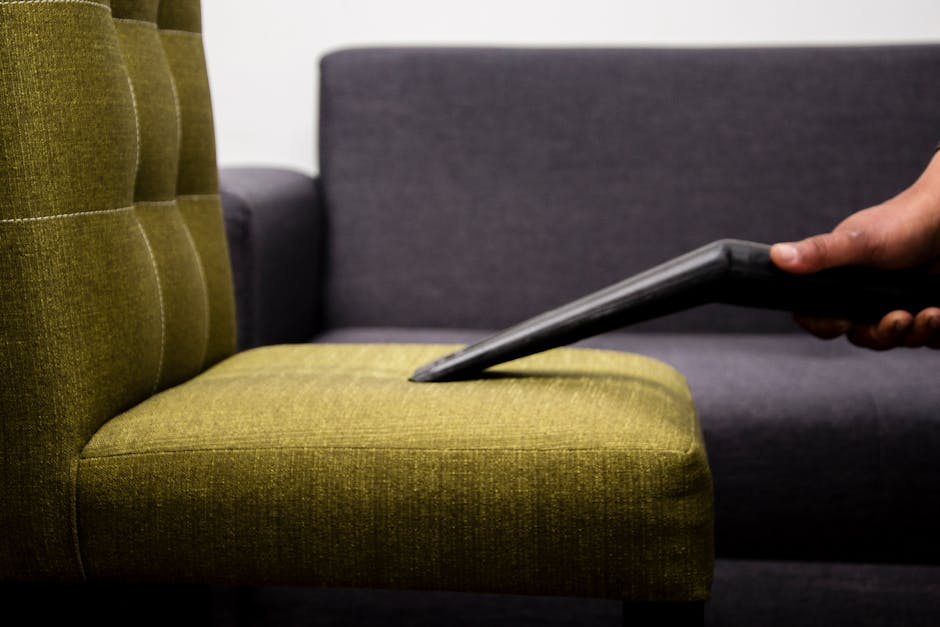
Then comes preparation. Loose debris, hair, and dust are removed first. This matters more than people think. If a cleaner skips straight to wet cleaning, dirt can smear into the fibres and make the finish patchy. Not ideal.
After that, the cleaner usually pre-treats spots and traffic areas. This is where general upholstery grime, old beverage marks, and body oils get some extra attention. A gentle agitating brush or cloth may be used so the cleaning product can work into the fibres properly.
The main clean often follows one of a few common methods:
- Hot water extraction for many fabric sofas, where cleaning solution and water are applied and then extracted along with loosened soil.
- Low-moisture upholstery cleaning for fabrics that should not be soaked heavily.
- Dry or specialist methods for delicate materials, mixed fibres, or manufacturers' restrictions.
After cleaning, the sofa is usually checked again, and any remaining spots may be given a second pass. A decent technician will tell you if a stain has lightened as far as is safely possible rather than pretending every mark can vanish. That kind of honesty is worth more than a glossy promise.
If your sofa is part of a move-out clean or pre-tenancy refresh, the service may sit alongside end of tenancy cleaning in Harrow. In those situations, timing and drying become especially important, because the room has to be ready for the next stage.
Key Benefits and Practical Advantages
The most obvious benefit is visual: your sofa looks cleaner, brighter, and more cared for. But that's only the start.
- Better day-to-day comfort. Fresh upholstery simply feels nicer to sit on. You notice it the moment you drop into the cushions.
- Improved appearance of the room. A cleaned sofa can lift the whole living space, especially if the rest of the room is already tidy.
- Reduced build-up of grime. Regular maintenance helps prevent dirt from settling deeply into fibres.
- Helpful stain management. Some marks can be improved significantly if handled correctly and not rubbed in with home remedies.
- Potentially longer life for the fabric. Dirt can be abrasive over time, so removing it may help preserve the sofa's condition.
There's also a quieter benefit: peace of mind. A sofa that's been cleaned properly feels less embarrassing when friends pop round unexpectedly. That may sound trivial, but in real life it matters. We all live on our sofas more than we admit.
For property owners and landlords around Harrow, upholstery cleaning can also support a better overall presentation between tenancies or before listing a home. If that's your situation, the carpet cleaning in Harrow page is a useful companion read because sofa and carpet care often go hand in hand.
Who This Is For and When It Makes Sense
Sofa cleaning near North Harrow station makes sense for a surprisingly wide range of people. It is not just for heavily stained furniture. In fact, many of the smartest bookings happen before a sofa looks bad.
You may want this service if you are:
- a homeowner trying to freshen up a well-used living room
- a tenant preparing for a moving day inspection
- a landlord or letting agent aiming to improve presentation
- a busy family dealing with spills, pet hair, and daily wear
- someone with guests coming soon and a sofa that needs a serious reset
- an office or reception space using upholstered seating that has started to look tired
It also makes sense if you notice any of these signs:
- the sofa has dull patches where people always sit
- odours seem to linger after cleaning the room
- there are visible rings, spots, or food marks
- the fabric feels slightly sticky, rough, or greasy
- you cannot remember the last professional clean
Some people wait until the sofa looks "really bad." That's understandable, but not always the best approach. Regular maintenance often gives better results than rescuing a piece that has been ignored for years. Truth be told, furniture cleaning works best when it is used as upkeep rather than emergency recovery.
If you're also browsing local background information while deciding what kind of home care you need, the articles on exploring Harrow as a traditional London borough and a journey through Harrow's charming suburb offer a broader feel for the area and the homes people live in.
Step-by-Step Guidance
If you want to know what should happen from start to finish, here's a practical walkthrough. It's not fancy. It's just how a good appointment usually runs.
- Initial enquiry. You describe the sofa type, fabric, size, stains, and any concerns such as pets or allergies.
- Quote or estimate. A sensible provider will explain what is included, what may cost extra, and whether the fabric needs specialist treatment.
- Arrival and inspection. The cleaner checks access, floor protection needs, and the sofa's condition before starting.
- Fabric test. A small area may be tested for colour stability or reaction to cleaning products.
- Dry soil removal. Vacuuming or brushing removes loose dirt, crumbs, and hair.
- Pre-treatment. Stains and high-contact areas are treated before the main clean.
- Main cleaning. The chosen method is applied carefully, usually section by section.
- Spot review. The cleaner checks for remaining marks and explains what has improved and what has not.
- Drying guidance. You are told how long the sofa should stay unused and how to ventilate the room.
- Final walk-through. You can check the results before the cleaner leaves.
A really helpful detail here: ask about cushions separately. Loose cushions, back cushions, and fixed sections may dry at different rates. If someone says "it's dry" without explaining the difference, they're probably simplifying things a bit too much.
For more on working with trusted local providers, it can also help to review the about us page and the insurance and safety information, especially if you are comparing services and want a calmer, more careful booking process.
Expert Tips for Better Results
A few simple choices can make a big difference to the outcome. Small things, really. But they add up.
Before the cleaner arrives
- Remove loose items, blankets, and small cushions if possible.
- Vacuum around the sofa and clear enough space for equipment.
- Point out stains, pet areas, or any parts you are worried about.
- Check whether the sofa has care labels or previous cleaning notes.
During the appointment
- Ask which cleaning method is being used and why.
- Request a small test patch if the fabric looks delicate.
- Be honest about previous spills or DIY treatments.
- Let the cleaner explain what outcomes are realistic.
After the appointment
- Keep the room ventilated if advised.
- Avoid sitting on the sofa too soon, even if it feels dry on top.
- Move cushions and turn them if the cleaner recommends it.
- Use a protective throw only once the fabric is fully dry.
One good tip that people often miss: if you have pets, tell the cleaner where they usually sit. A sofa can look evenly used, but in reality, the grime is often concentrated on one side, by a window, or on the cushion nearest the door. Funny how that works.
If you want a service that feels part of a bigger home-care routine, look at the cleaning services in Harrow available through the wider site structure and compare what fits your household rhythm best.
Common Mistakes to Avoid
People often make sofa cleaning harder than it needs to be. Usually with good intentions, to be fair.
- Using too much water at home. Over-wetting can push stains deeper and slow drying.
- Scrubbing hard. This can distort fibres, spread marks, or make the texture look rough.
- Applying random household products. Some products can bleach, stain, or leave sticky residues.
- Ignoring fabric labels. Not every sofa can handle the same treatment.
- Booking only by price. Cheap is not always cheerful if the result is patchy or rushed.
- Expecting all stains to disappear. Some marks are permanent or partly set into the fabric.
The biggest mistake, though, is not asking questions. A quick chat before the job starts can save a lot of disappointment. What method will they use? How long will it take to dry? What happens if a stain does not lift fully? Simple questions. Worth asking.
If payment confidence matters to you, the site's payment and security page is a sensible place to look before you book, especially if you prefer a clear, no-nonsense process.
Tools, Resources and Recommendations
You do not need a shed full of gear to keep your sofa in decent shape, but a few sensible tools help between professional visits.
| Item | What it helps with | Good to know |
|---|---|---|
| Upholstery vacuum attachment | Dust, crumbs, pet hair | Use gently so you do not pull at loose fibres |
| Soft brush | Loosening surface debris | Helpful on textured fabrics, but keep it light |
| Clean white cloth | Blotting small spills | Better than colourful towels that may transfer dye |
| Fan or open window | Drying support | Air movement helps more than people think |
| Fabric care label | Choosing the right method | Worth checking before any treatment starts |
For service planning, a useful recommendation is to combine sofa cleaning with surrounding soft-furnishing care where sensible. A freshly cleaned sofa in a dusty room will not stay fresh for long. The same goes for a hallway full of dirty shoes and muddy weather. London has a way of reminding you of that every few days.
If your sofa is part of a whole-home reset or spring tidy, the house cleaning in Harrow page may help you think about the bigger picture, while the period-home carpet cleaning tips article is useful if your property has older features, sensitive fabrics, or a more traditional feel.
Law, Compliance, Standards, or Best Practice
Sofa cleaning is not the same as a heavily regulated trade, but that does not mean standards do not matter. Good providers should still work with care, communicate clearly, and avoid damaging your property. In the UK, practical best practice usually includes proper risk awareness, suitable equipment handling, and respect for fabric care instructions.
From a customer point of view, the key things to look for are straightforward:
- clear pricing and scope of work
- honest explanation of what is and is not included
- basic insurance cover for peace of mind
- careful handling of furniture, floors, and electrics nearby
- transparent complaints process if something goes wrong
It is also sensible to ask how the cleaner deals with fragile fabrics, mould risk, or previous unsuccessful DIY treatments. Good practice means understanding limits. Not every sofa should be cleaned in the same way, and a decent professional should say so.
For trust signals and housekeeping details, the pages on terms and conditions, complaints procedure, and health and safety policy are worth checking if you like to know how a business handles the practical side of the service.
Options, Methods, or Comparison Table
Different sofas need different approaches. Here is a simple comparison to help you understand the usual options.
| Method | Best for | Pros | Watch-outs |
|---|---|---|---|
| Hot water extraction | Many standard fabric sofas | Good deep clean, helps lift embedded dirt | May require longer drying time |
| Low-moisture upholstery cleaning | Fabrics that should not be saturated | Faster drying, gentler on some materials | May not suit every stain type |
| Specialist delicate-fabric cleaning | Silk blends, wool-rich fabrics, sensitive materials | Reduced risk of fabric damage | Needs a careful assessment first |
| Spot treatment only | Small recent marks | Quick and focused | Not a full refresh if the sofa is generally dirty |
A quick rule of thumb: if the sofa looks broadly dull, a surface spot clean usually won't be enough. If the issue is one fresh spill, a lighter method may be fine. And if the fabric is delicate, then caution is not optional. It's the whole game.
Case Study or Real-World Example
Imagine a two-bedroom flat a short walk from North Harrow station. The living room sofa is a light grey fabric piece that has become the default place for evening tea, laptop work, and the occasional curry-night accident. Nothing dramatic, just life. The seat cushions have darkened, the right armrest looks slightly greasy from daily use, and there is one old red mark that everyone has politely ignored for months.
The cleaner arrives, checks the fabric, and explains that the sofa can be safely wet cleaned but that the old red mark may only fade rather than vanish. After vacuuming, the cleaner treats the traffic areas, cleans the cushions separately, and works through the frame and arms. The room smells cleaner afterwards, not heavily scented, just fresher. By the next afternoon, the sofa is dry enough to use carefully, and by evening it feels properly reset.
What mattered most in that scenario was not just the cleaning itself. It was the communication: knowing what would likely improve, how long drying would take, and what would remain. That kind of clarity keeps people happy. Simple as that.
For anyone comparing a sofa clean with wider local services, the upholstery cleaning in Harrow page is the natural next step, especially if you also have dining chairs, armchairs, or headboards that need attention.
Practical Checklist
Use this quick checklist before you book or on the day of the clean:
- Check the sofa fabric label if available
- Note visible stains, pet areas, and wear spots
- Ask which method will be used
- Confirm whether cushions are included
- Ask about drying time and room ventilation
- Move fragile items away from the cleaning area
- Make sure the cleaner can access water and power if needed
- Ask what happens if a stain does not fully lift
- Clarify payment, timing, and any extras in advance
- Keep the room airy after the clean if advised
If you run through those points, you'll avoid most of the common misunderstandings. And that alone makes the whole thing feel easier.
Conclusion
So, what should you expect from sofa cleaning near North Harrow station? In plain English: a careful inspection, the right cleaning method for the fabric, sensible treatment of stains, a drying period that may vary by material, and a finished result that should look and feel noticeably fresher. Good sofa cleaning is not about overpromising. It's about measured, practical improvements that suit your home and schedule.
If you choose a provider who explains the process clearly, protects your furniture, and gives honest guidance on what can realistically be achieved, you are far more likely to be pleased with the result. That is really the heart of it.
Get a free quote today and see how much you can save.
And if you're still weighing up your options, take your time. The right choice is usually the one that feels clear, calm, and properly thought through. A clean sofa is nice. A stress-free one is better.
Frequently Asked Questions
How long does sofa cleaning usually take?
It depends on the size of the sofa, the fabric, and how dirty it is. A standard clean may take well under two hours on site, but stubborn stains or delicate fabrics can add time. Drying time is separate, and that can vary a lot.
Will sofa cleaning remove every stain?
Not always. Fresh spills and surface marks often respond well, but older stains, dye transfer, bleach spots, and heat-set marks may only improve rather than disappear. A good cleaner should explain that before starting.
How long does a sofa take to dry after cleaning?
Drying time depends on the method used, the fabric, and ventilation. Some sofas feel dry enough to use cautiously the same day, while others need longer. Cushions often dry differently from the frame, so it is worth asking for specific guidance.
Is sofa cleaning safe for delicate fabrics?
It can be, provided the cleaner tests the material first and uses a suitable method. Delicate fabrics need more care than standard polyester or cotton blends. This is where experience really matters.
Do I need to move the sofa before the cleaner arrives?
Usually not, unless access is tight. Most cleaners will work around the furniture in place. Clearing the area nearby helps, though, especially if there are side tables, lamps, or breakables in the way.
Can sofa cleaning help with smells?
Yes, often it can. Upholstery can hold onto everyday odours from pets, food, smoke, and general use. Cleaning may reduce or remove those smells significantly, though the exact result depends on the source and depth of the odour.
Is steam cleaning the same as upholstery cleaning?
Not exactly. People often use the terms loosely, but upholstery cleaning may involve hot water extraction, low-moisture methods, or other techniques depending on the sofa. "Steam cleaning" is sometimes used as a general label, even when the process is not true steam.
How often should I get my sofa professionally cleaned?
That depends on household use. Families, pet owners, and busy homes may benefit from cleaning more regularly than a lightly used spare room sofa. A sensible interval is based on wear, appearance, and hygiene needs rather than a fixed rule.
What should I ask before booking a sofa clean near North Harrow station?
Ask about the cleaning method, drying time, stain treatment, what is included in the price, and whether the fabric type is suitable. It is also wise to check insurance and how any issues are handled afterwards.
Will sofa cleaning leave my room messy or wet?
A careful cleaner should leave the area tidy and manage moisture sensibly. Some minor disruption is normal, especially if equipment is used, but there should not be unnecessary mess. Floor protection and neat working habits make a big difference.
Can I combine sofa cleaning with other home cleaning services?
Yes, and many people do. Combining upholstery care with carpet or domestic cleaning can make the whole home feel fresher in one visit. If that sounds useful, service pages like carpet cleaning in Harrow and domestic cleaning in Harrow are worth a look.
What if my sofa has pet hair all over it?
That is very common. Pet hair is usually handled during the initial vacuuming and brushing stage, before wet cleaning begins. If the sofa has a lot of embedded hair, mention it when booking so the cleaner can allow enough time.
Where can I learn more about the company and its service standards?
The most useful pages are usually the about us, insurance and safety, and health and safety policy pages. They help you understand how the service is run and what standards to expect.